
Standing in the salon wondering if you can switch from that burgundy you got three weeks ago to a fresh spring coral? You’re not alone. Thousands of people ask daily: when you get nails filed, can you change the color?
Here’s the quick answer: Yes, you absolutely can change your nail color during a fill appointment. In fact, it’s incredibly common. Most nail technicians expect color change requests during refill appointments and build the process into their service.
What "Getting Nails Filled" Really Means
Before we dive into color changes, let’s clarify what actually happens during a fill appointment.

Definition of Nail Fills
A nail fill (also called refill or infill) maintains your existing artificial nail enhancement as your natural nails grow. Your natural nail grows about 2-3mm per week, creating a visible gap between your cuticle and the existing enhancement. This gap needs filling to maintain the seamless look and structural integrity.
What happens during a standard fill:
- Filing the surface: Technician files down the existing enhancement, removing shine and smoothing bumps
- Filling the growth gap: New product (acrylic, gel, or dip powder) fills the space near your cuticles
- Shaping and buffing: Entire nail surface gets shaped, smoothed, and prepared for color
- Sealing: Fresh top coat or sealer protects everything
Color Application Is Separate
Here’s the crucial point: the fill process focuses on structure, not color. Color—whether gel polish, regular polish, or colored acrylic—is a separate cosmetic layer applied after the structural work completes.
This separation means changing color doesn’t interfere with the fill’s structural purpose. You’re simply choosing a different cosmetic finish over the same reinforced base.
Can You Change Your Nail Color When You Get Your Nails Filled?
The Clear Answer: Yes, In Most Cases
You can absolutely change your nail color during a fill appointment. This is standard practice in nail salons worldwide. Technicians routinely remove old color, perform the fill, then apply whatever new color you request.
The process works because most enhancement systems separate the structural base (clear or nude acrylic, builder gel, etc.) from the decorative color layer on top. Removing and replacing that top color layer doesn’t compromise the enhancement’s integrity.
How Technicians Handle Color Changes
You can absolutely change your nail color during a fill appointment. This is standard practice in nail salons worldwide. Technicians routinely remove old color, perform the fill, then apply whatever new color you request.
The process works because most enhancement systems separate the structural base (clear or nude acrylic, builder gel, etc.) from the decorative color layer on top. Removing and replacing that top color layer doesn’t compromise the enhancement’s integrity.
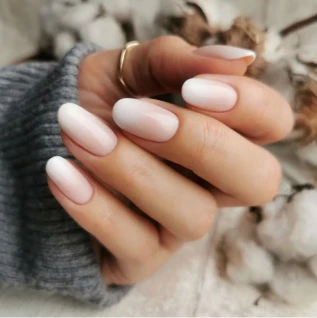
Gel polish
- Technician wraps nails in acetone-soaked cotton and foil
- Wait 10-15 minutes for gel to soften
- Gently scrape or file off dissolved gel
- Proceed with fill, then apply new color
- Cure new gel under UV/LED lamp
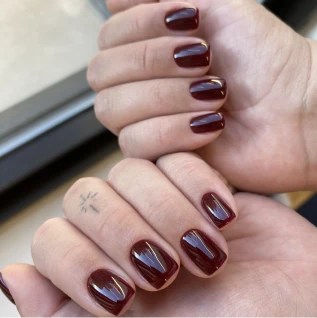
Regular polish
- Quick removal with acetone or non-acetone remover
- No soaking required—polish wipes off easily
- Fill the nails
- Apply new polish color
- Air dry or use quick-dry products
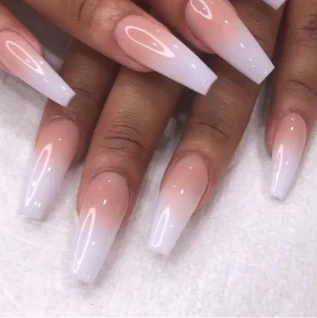
Colored acrylic
- This requires more extensive filing
- Technician files down colored acrylic layers
- Applies new colored acrylic to entire nail
- More time-intensive but totally doable
Salon-by-Salon Variation
Most salons include color changes in standard fill pricing, but practices vary:
Inclusive approach: Color change is standard part of fill service. You pay one price regardless of color choice.
Upcharge approach: Basic fill covers structural work only. Color changes add $5-15 to your bill depending on complexity.
Appointment-based: Some high-end salons prefer you book specifically for “fill with color change” to allocate proper time.
Always ask when booking. A quick “Does the fill price include changing my color?” prevents surprise charges at checkout.
When Color Change Is Easy vs. Hard
Not all color changes are created equal. Some sail through quickly while others present challenges.
Easy Color Change Situations
Clear or neutral acrylic base with gel polish top: This is the dream scenario. Your structural enhancement uses clear or barely-there nude acrylic. Color comes from gel polish applied on top.
Changing color takes maybe 15 extra minutes:
- Soak off old gel polish
- Perform structural fill
- Apply new gel color
- Cure and done
Standard gel manicures: Gel over natural nails or gel over tips changes easily. The gel polish layer sits distinctly separate from any base enhancement.
Regular polish over any enhancement: Regular polish removes in literal seconds. No soaking required. Just wipe away with acetone and you’re ready for new color.
Light to light color changes: Going from one pastel to another, or nude to pink? These transitions happen seamlessly because pigment levels remain similar.
Harder Color Change Situations
Glitter polish or heavy glitter acrylics: Glitter particles embed stubbornly in enhancement surfaces. They resist removal, often requiring aggressive filing that thins the enhancement significantly.
Solution: Accept some glitter may remain, choose similar-toned new color, or opt for complete removal and fresh set.
Very dark acrylic powder mixed throughout: When deep black, burgundy, or navy pigment saturates the actual acrylic (not just surface polish), changing to light colors becomes problematic.
The dark acrylic shows through lighter colors, creating muddy, discolored appearance. Your options:
- File extensively to remove most dark acrylic (time-consuming, expensive)
- Choose another dark color hiding the base
- Apply opaque white base before new color
- Remove completely and start fresh
Dip powder color changes: Dip powder integrates color throughout the enhancement, not just on top. Changing dip powder colors mid-maintenance proves tricky.
Why it’s difficult:
- Color saturates multiple powder layers
- Filing removes color but also significant enhancement structure
- Complete removal often makes more sense than partial filing
Community-recommended approach: If you love frequently changing colors, choose clear dip base with gel polish top coat instead of colored dip powder throughout.
Specialized nail art: Intricate hand-painted designs, 3D embellishments, or complex nail art require complete removal before color changes. You can’t simply file off detailed artwork and expect clean canvas underneath.
Chrome or mirror finishes: These specialty finishes bond intensely. Removal requires thorough filing or soaking, adding significant time to your appointment.
Cost and Time Considerations
| Service | Price Range |
|---|---|
| Basic acrylic fill (no color change) | $30-50 |
| Acrylic fill + gel color change | $40-65 |
| Gel fill + color change | $35-55 |
| Dip powder fill + color change | $40-60 |
| Fill + nail art/design | $50-100+ |
How long does a fill with color change take?
Standard appointments run:
- 45-60 minutes: Basic fill, simple color change
- 60-75 minutes: Fill with gel color change
- 75-90 minutes: Fill with design or nail art
- 90-120+ minutes: Extensive design work or multiple repairs
Factors extending appointment time:
- Difficult color removal (dark colors, glitter, chrome)
- Extensive filing needed
- Multiple nail repairs
- Detailed nail art requests
- Technician’s working speed and experience
How Often You Can Change Color
Standard recommendation: You can change nail color with every fill appointment—typically every 2-3 weeks.
This frequency works perfectly for most enhancement types:
- Acrylics: Every 2-3 weeks
- Gel: Every 2-3 weeks
- Dip powder: Every 3-4 weeks
- BIAB/builder gel: Every 2-4 weeks
Your natural nail growth determines fill timing more than color preferences. When that gap between cuticles and enhancement becomes visible (usually around week 2-3), you need a fill regardless of whether you change colors.
Aftercare for Long-Lasting Color
For gel polish:
After salon application, your gel appears dry. It is—on the surface. But full curing continues for several hours.
Post-appointment care:
- Avoid hot water for 12-24 hours
- Skip hot showers, dishwashing, hot tubs
- Heat can cause premature lifting or shrinkage
- Wait at least 24 hours before swimming
For regular polish:
Standard polish takes longer to fully harden than it appears.
Drying timeline:
- Touch-dry: 5-10 minutes
- Surface-dry: 20-30 minutes
- Fully cured: 12-24 hours
Protection during full curing:
- Avoid pressing on nails hard for first few hours
- Skip tasks requiring nail strength (opening cans, peeling stickers)
- Wear gloves for any wet work
FAQ
With regular polish: Sometimes, but not recommended.
You can apply regular polish directly over gel or old regular polish temporarily.
The color change itself? No.
However, the removal process can:
Excessive filing weakens: If your tech files aggressively removing stubborn color (glitter, dark pigments, chrome), they're removing enhancement thickness. This thins protection over your natural nail.
Frequent soaking affects natural nails: While acetone doesn't directly damage enhancements, frequent soaking can dry out natural nails underneath. Counteract this with cuticle oil and moisturizer.
Yes. Nail filing only shapes the nail and does not affect the polish itself. As long as no top coat or gel has been cured yet, the color can be changed easily.
It depends on the stage of the service. If the gel or acrylic color has not been cured or sealed, changing the color is simple. Once cured and finished, changing the color usually requires removal and reapplication.
Yes. Many salons expect this and allow color changes once you see how it looks on your nails, especially before sealing or curing. It’s best to speak up immediately so the technician can adjust the color without restarting the service.
